
In the fashion industry, customers don’t just buy products; they buy visuals, confidence, and perception. Product photography becomes the most effective selling tool of fashion brands since online shoppers cannot feel clothes or try on outfits. Powerful visuals convey quality, fit, style, and brand values in a few seconds. Unprofessional images drive uncertainty, and professional Fashion Product Photography drives conversion. This blog covers practical product photography tips for fashion brands, helping you create images that look premium, stay consistent, and convert browsers into buyers.
Why Is Product Photography So Important for Fashion Brands?
Fashion is a very visual business in which visuals influence buying choices. High-quality photos enable the customers to analyze the texture of fabrics, the accuracy of colors, and fit, as well as the design. Shoppers are assured enough to make a purchase when the visuals are professional and clear.
Fashion Product Photography can also help minimize the return rates because it can set appropriate expectations and build brand credibility.
● Builds trust and credibility.
● Improves conversion rates.
● Reduces product returns.
● Enhances brand perception.
● Supports digital marketing performance.
What Photography Style Best Fits Your Fashion Brand?
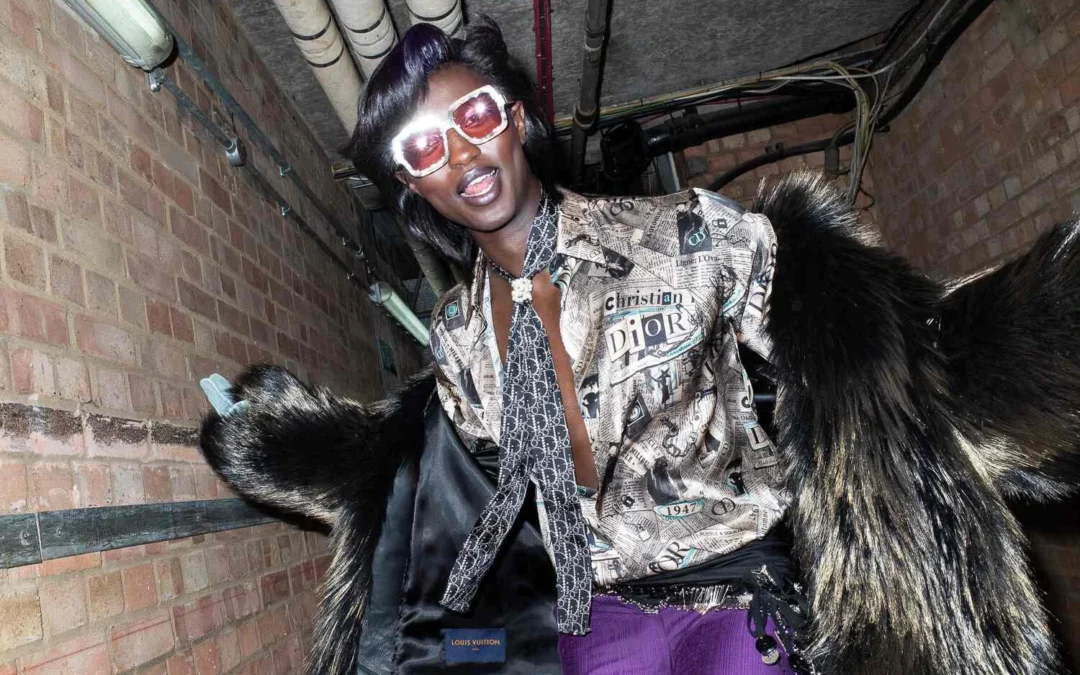
It is important to ensure that the photography style selected portrays your brand. Sometimes minimalist brands have the clean studio image, and casual or streetwear brands suit the real-world setting. Campaigns may require a more creative and expressive approach using Editorial Fashion Photography to tell a strong visual story.
● Clean eCommerce studio photos.
● Storytelling and relatability in lifestyle photography.
● Campaign and branding editorial photography.
● Casual collections and accessories Flat lays.
How Does Lighting Impact Fashion Product Photography?
Lighting is essential in the online appearance of the garments. Components of weak light can be used to alter colors and conceal the details of a fabric, whereas the elements of good light are used to complement the texture, sewing, and architecture. Stable lighting gives it a professional and cohesive product catalog.
● Natural lighting for natural tones.
● Scattered light to prevent harsh shadows.
● Uniform lighting designs in shoots.
● Avoid mixing light temperatures.
● Highlight the fabric texture clearly.
Why Showing Clothing on Models Improves Conversions?
Customers want to experience the appearance of garments when they are worn. Model photography helps buyers understand fit, length, and movement, making it easier to visualize the product on themselves. This method is particularly effective with dresses, outer garments and custom-made items.
● Models form an emotional bond.
● Mannequins show structure and shape.
● Movement shots highlight fabric flow.
● Several angles make clarity better.
● Regular posing boosts brand professionalism.
How Consistency Strengthens Brand Identity?
Uniformity in photography means that your brand is automatically familiar and credible. When the product images are on the same level of visual appearance, it makes customers view the brand as professional and trustworthy. Inconsistent images can create confusion and reduce confidence.
● Framing and homogeneous backgrounds.
● Standard image dimensions
● Consistent lighting and shadows
● Similar model poses
● Unified editing style
Why Styling and Garment Preparation Matter?
Even the best camera setup cannot compensate for poor styling. Wrinkles, lint, or incorrect fitting can reduce the perceived value of the product. Proper preparation ensures garments look polished and premium in every shot.
● Steam or iron garments.
● Use clips or pins for a perfect fit.
● Inspect collars, hems, and seams.
● Remove lint and dust.
● Style outfits with intention.
Should Fashion Brands Show Multiple Angles and Details?
Several angles, as well as close-up shots, allow the customers to make informed buying decisions. These visuals provide answers to the usual questions about texture, quality, and construction, reducing hesitations and enhancing confidence.
● Front, back, and side views.
● Close-ups of fabric and stitching.
● Details of buttons and embellishments.
● High-resolution zoom-friendly images.
● Structure and stretch visuals.
How to Optimize Fashion Images for SEO and Performance?
Great visuals must also perform well technically. Efficient images result in faster page loads, better user experience, and better placement in image search results. This is necessary for brands investing in scale Fashion Product Photography.
● Compress images without losing quality.
● Use descriptive file names.
● Add keyword-rich alt text.
● Follow platform image size guidelines.
● Improve overall site speed.
Why Lifestyle Photography Helps Tell a Brand Story?
Lifestyle images depict products in real-life contexts and help customers imagine themselves wearing the products. These pictures create emotional engagement and perform well in social media, ads, and landing pages.
● Real-world environments.
● Natural poses and expressions.
● Story-driven visuals.
● Audience-focused settings.
● Consistent brand mood.
How Much Editing Is Enough for Fashion Images?
Editing should enhance photos without misrepresenting the product. Excessive editing may result in loss of color and unsatisfied consumers. Most brands use a Boston Photo Editing Expert to keep the accuracy and consistency of the visuals clean and professional.
● Adjust brightness and contrast.
● Maintain true-to-life colors.
● Avoid excessive retouching.
● Keep textures natural.
● Apply consistent presets.
Why Planning Makes Fashion Photoshoots More Effective?
Strategic planning ensures all required visuals are captured efficiently. An evident shot listing helps align photography with eCommerce, social media, and advertising objectives. This is particularly important when you have a brand collaborating with a Boston Fashion Photographer or a professional Fashion Photographer Boston to get the maximum level of shoots.
● Create a detailed shot list.
● Group similar products together.
● Prepare styling and models in advance.
● Plan for ads and social content.
● Align visuals with brand objectives.
Conclusion
For fashion brands, visuals are the key to success in a competitive digital market. Whether you’re investing in Fashion Product Photography in Boston or planning shoots for a worldwide audience, quality images build trust, reduce uncertainty, and drive conversions. Fashion brands can make photography an effective sales device by prioritizing the use of lighting, styling, consistency, and storytelling. When done right, product photography doesn’t just showcase clothing, it defines your brand.
By focusing on detail, lighting, and visual consistency, Felix Gaertner Photography enables fashion brands to communicate craftsmanship and reliability through strong, well-executed product photography.