
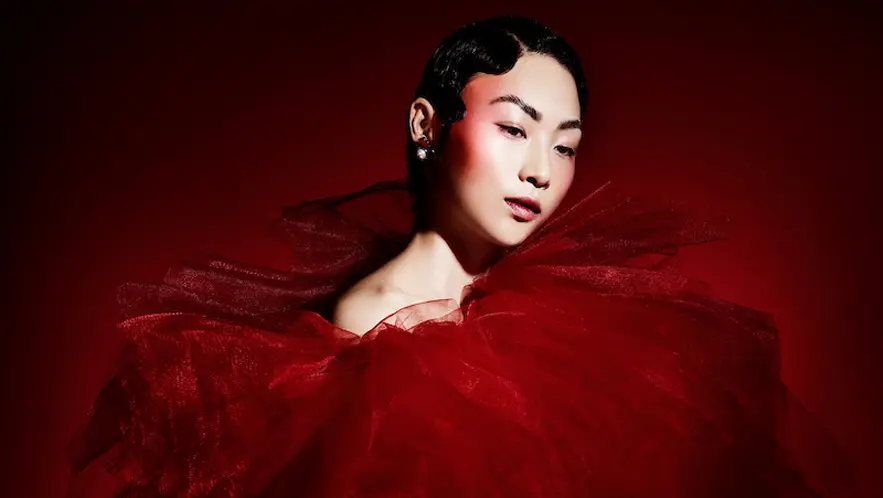
Boston has quietly become one of the most exciting cities in the country for visual storytelling. Galleries in the South End, studios in Fort Point, and creative agencies downtown are all hunting for talent that can turn an ordinary image into something memorable. If you are searching for a Professional Photographer in Boston, you are stepping into a market that rewards technical skill, artistic vision, and genuine local knowledge. This guide breaks down what makes Boston’s photography scene special, how different styles serve different goals, and how to pick the right creative partner for your next project.
Why Boston Has Become a Magnet for Visual Storytellers
The city’s mix of old-world architecture and modern innovation gives photographers a rare playground. Cobblestone streets sit a few blocks from glass towers, and harbor views change character with every season. This variety attracts brands, magazines, and collectors who want images that feel distinct rather than generic.
Local universities and design schools also feed a steady stream of fresh talent into the city. That energy pushes established photographers to keep experimenting instead of settling into a single formula. As a result, clients in Boston can find specialists across nearly every genre, from documentary work to high- concept studio shoots.
Why You Need a Professional Photographer for Your Project
Hiring an amateur or relying on stock imagery might save money upfront, but it rarely serves a brand well in the long run. A trained photographer understands lighting, composition, and color theory in ways that shape how an audience feels about an image before they even read the caption.
Professionals also bring reliable equipment, backup plans for weather or venue issues, and post- production skills that elevate raw footage into polished, publishable work. For businesses building a visual identity, this consistency matters. Every photo becomes part of a larger story instead of a one-off snapshot.
Working with an established photographer also means fewer surprises. Contracts, licensing terms, and delivery timelines are handled clearly, which protects both the client and the creative. That professionalism is often the real difference between a forgettable photoshoot and one that generates results for years.
Understanding Abstract Fine Art Photography in Boston
Fine art photography occupies a different space than commercial or documentary work. Instead of capturing a literal scene, it explores mood, texture, and concept. This genre asks viewers to slow down and interpret the image rather than simply consume it.
Boston has developed a strong appetite for this kind of work. Local galleries frequently exhibit pieces that blur the line between photography and painting, using techniques like long exposure, intentional camera movement, or heavy post-processing to create dreamlike results. Anyone drawn to Abstract Fine Art Photography in Boston is tapping into a growing collector base that values originality over realism.
What Makes Abstract Work Successful
Strong abstract photography relies on a clear point of view. The photographer is not just documenting a subject; they are translating an idea into visual form. Color palettes, negative space, and repetition all play a bigger role here than in traditional portrait or event photography.
This genre also tends to age well. Because the images are not tied to a specific trend or moment, they remain relevant and visually striking years after they were created, which is part of why collectors and interior designers keep coming back to it.
For readers who want more background on this genre, Wikipedia’s overview of fine-art photography offers a useful history of how the movement developed from painterly pictorialism into the conceptual work seen in galleries today.
The Growing Demand for Editorial Fashion Photography
While fine art photography leans conceptual, editorial work has a different job to do. It needs to tell a story quickly, usually within the pages of a magazine, a lookbook, or a brand campaign. The images must feel aspirational while still communicating something specific about mood, culture, or product.
Boston’s fashion scene, though smaller than New York or Los Angeles, has been building momentum. Independent designers, boutique agencies, and lifestyle magazines are commissioning more editorial work than they did five years ago. Brands increasingly hire specialists in Editorial Fashion Photography because the style requires a very particular skill set that differs from standard product photography.
How Editorial Photography Differs From Product Shoots
A product shot usually isolates an item against a clean background to highlight details. Editorial photography instead places that same item inside a narrative. Models, locations, styling, and lighting are all coordinated to build a scene that feels cinematic rather than purely commercial.
This approach demands strong collaboration between the photographer, stylist, and creative director. Every choice, from wardrobe to set design, has to support one unified vision, which is why editorial shoots typically take more planning than a straightforward product session.
Publications like Vogue’s photography archive have long shaped what audiences expect from this genre, setting a visual standard that smaller markets like Boston now aim to match.
How to Choose the Right Photography Style for Your Brand
Not every business needs the same kind of imagery. A law firm probably wants clean, trustworthy portraits, while a fashion startup might need bold editorial work to stand out on social media. Before booking anyone, it helps to define the goal of the shoot.
Ask what the images need to accomplish. Should they build brand trust, sell a product, or spark an emotional reaction? The answer often points directly to a genre, whether that is corporate headshots, fine art conceptual pieces, or full editorial campaigns.
It also helps to review a photographer’s existing portfolio for consistency. A strong body of work shows a recognizable style, which signals that the photographer has developed genuine expertise rather than chasing every passing trend.
Tips for a Successful Photography Session
Preparation makes a noticeable difference in the final results. Clients who communicate their vision clearly, share reference images, and confirm logistics ahead of time almost always get better outcomes than those who leave everything until the day of the shoot.
Lighting conditions, location permits, and wardrobe choices should all be discussed in advance. A short planning call can prevent costly delays and helps the photographer prepare the right gear for the specific style being requested.
It is also worth setting realistic expectations around timelines. Editorial and fine art projects, in particular, often need extra time for post-production, since color grading and retouching are central to the final look rather than an afterthought.
Common Mistakes to Avoid When Hiring a Photographer
Many clients focus only on price when comparing photographers, which can lead to disappointing results. A lower rate sometimes means less experience, fewer backup systems, or rushed editing. It pays to weigh cost against the photographer’s portfolio, reviews, and communication style before making a final decision.
Another common mistake is skipping a written agreement. Contracts should spell out usage rights, delivery timelines, and the number of final images included. This protects both sides and prevents misunderstandings once the shoot wraps up.
Some clients also underestimate how much prep work certain styles require. Editorial and fine art shoots, for example, often involve scouting locations, coordinating models, and planning lighting setups days in advance. Rushing this process usually shows up in the final images, so building in enough lead time is worth the extra effort.
Questions Worth Asking Before You Book
Before signing off on a photographer, it helps to ask a few direct questions. How many similar projects have they completed? What does their editing turnaround look like? Do they carry their own equipment and backup gear? These answers reveal a lot about professionalism and reliability, and they help avoid surprises once the project is underway.
Clients should also ask to see a full gallery from a past project rather than just a highlight reel. A complete set shows consistency across an entire shoot, not just the strongest one or two frames.
Final Thoughts
Boston’s photography scene has grown into something genuinely diverse, offering everything from documentary storytelling to gallery-ready fine art. Whether a brand needs polished editorial campaigns or a collector wants a striking conceptual piece, the city has photographers who specialize in nearly every visual language. Anyone exploring their options should start by browsing a working portfolio from a Boston-based photographer to see how these different styles come together in practice, then reach out to discuss the specific goals of their project.
Frequently Asked Questions
1. What does a Professional Photographer in Boston typically charge for a session?
Rates vary widely based on experience, location, and the scope of the shoot. Fine art and editorial projects tend to cost more than a standard portrait session because they involve extra planning, styling, and post-production time. It’s best to request a custom quote from a Professional Photographer in Boston once you know the scale of your project.
2. How is Abstract Fine Art Photography different from regular photography?
Abstract fine art photography focuses on mood, texture, and concept rather than a literal representation of a subject. Instead of documenting a scene, it interprets an idea visually, often using techniques like long exposure or layered composition, similar to the work found in Abstract Fine Art Photography in Boston.
3. What should I bring to an Editorial Fashion Photography shoot?
Wardrobe options, mood boards, and any brand guidelines are essential. A clear reference of the desired tone helps the photographer plan lighting and location choices ahead of time for a smoother Editorial Fashion Photography session.
4. How long does a typical fine art photography project take from booking to final delivery?
Timelines depend on complexity, but most projects take two to four weeks once post-production is factored in. Conceptual work often requires additional retouching compared to straightforward portrait sessions.
5. Can editorial photography be used for social media marketing?
Yes. Editorial-style images perform well on platforms like Instagram because they tell a story rather than simply showcasing a product. Many brands repurpose campaign shoots across both print and digital channels.
6. Do I need a permit to shoot in public locations around Boston?
Certain public spaces and historic sites require permits for commercial photography. An experienced local photographer usually knows which locations need advance clearance, which saves clients time and prevents last-minute issues.
7. What is the difference between hiring a generalist versus a specialist photographer in Boston?
A generalist covers a wide range of styles but may lack deep expertise in any single genre. A specialist, such as someone focused on fine art or editorial work, brings a more developed technical and artistic approach to that specific style. Reviewing a Professional Photographer in Boston’s portfolio is the fastest way to see which category fits your needs.
8. How many images can I expect from a typical photoshoot?
This depends entirely on the project scope, but most sessions deliver a curated selection rather than every raw file. Photographers usually edit down to the strongest images to maintain consistent quality across the final set.
9. Is fine art photography a good investment for interior design projects?
Many designers use abstract and fine art pieces to add depth and personality to a space. Because the work is not tied to a specific trend, it tends to remain visually relevant for years, making it a durable choice for both homes and offices.
10. How far in advance should I book an editorial fashion shoot?
Popular photographers often book several weeks out, especially during peak fashion seasons. Booking four to six weeks ahead gives enough time for planning, location scouting, and coordinating stylists or models.
Frequently Asked Questions
How often should a company update its corporate photography?
Most businesses should refresh their corporate images every 2–3 years or whenever there are major changes, such as new team members, office renovations, rebranding, or updated marketing campaigns.
What should employees wear for a corporate photoshoot?
Employees should wear clean, well-fitted business or business-casual attire that aligns with the company’s brand. Solid colours, minimal patterns, and coordinated outfits often produce the most professional results.
Can a Photographer in Boston capture images at our office instead of a studio?
Yes. Many corporate photographers offer on-location sessions, allowing businesses to showcase their actual workspace and create authentic images without disrupting daily operations.
Why hire a Boston Professional Event Photographer?
A professional photographer understands lighting, composition, and timing, ensuring high-quality images that accurately capture important moments while allowing your staff to focus on the event.
How should businesses prepare for Corporate team portrait sessions near Boston?
Prepare by coordinating outfits, selecting a clean location, scheduling employees in advance, and sharing your preferred style with the photographer. Good planning helps create a smooth and efficient photoshoot.