
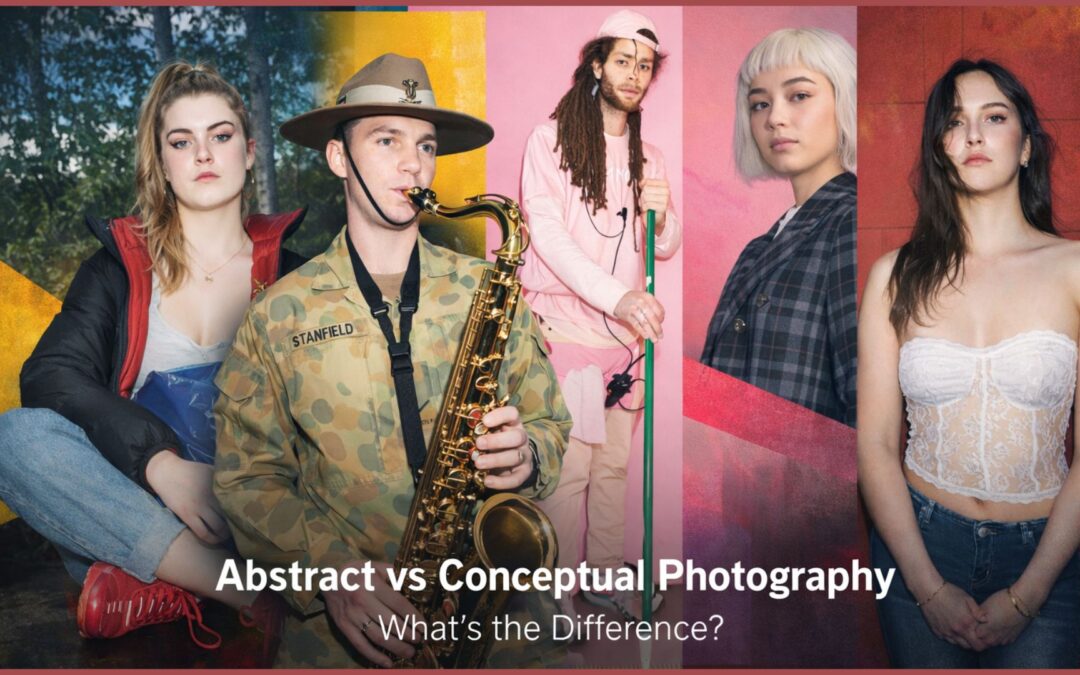
Both abstract and conceptual photography are ways of challenging the limits of creativity beyond the commonplace snapshots, but they are different in their focus and approach. Abstract photography is a game of shapes, colors, and textures in order to create emotions without depicting objects clearly. Conceptual photography narrates a tale or thought process by setting up photographs, in most cases, by way of symbols, to derive a point.
This blog highlights the importance of abstract fine art photography in Boston and how it differs from conceptual photography. The key differences are outlined to help you decide which one to choose from.
Abstract Photography: What It Is?
The abstract photography focuses on the details within the real world in a manner that conceals the subject. It focuses on patterns, lines, or lights to form images that evoke emotion or wonder, rather than recognition.
● The simplest things, such as the ripples of water, rust on metals, or lights in the city at night, are transformed into art when they are shot tightly or daringly.
● The end is sensuous influence–reds make viewers energetic, or soft blues make them serene.
● Such devices as macro lenses or slow shutters are used to create motion that is dreamy.
It is a style that one can interpret personally, and therefore, each viewer will perceive something different.
What Is Conceptual Photography?
Conceptual photography begins with a notion or message and develops the image based on that. The photograph is used to serve an idea, whereby props, models, or staging are used to convey the ideas about issues such as identity, society, or dreams.
● One frame could contain a person who is surrounded by books so as to indicate that he or she is overwhelmed with books.
● The most important tool is planning, storyboards, sketches, and even writing down the idea first, and then shooting the film.
● Editing holds things together, such as the process of composing various shots to create surreal scenes.
In this case, the Boston conceptual fashion photography presents the message of the artist clearly or provides hints to think more deeply.
Key Differences Between Abstract And Conceptual Photography
The two styles are non-literalistic, though their approaches and objectives differ.
| Aspect | Abstract Photography | Conceptual Photography |
| Focus | Visual elements like color, shape, texture | Idea, story, or message |
| Planning | Often spontaneous, capturing fleeting moments | Highly planned with concepts first |
| Subject Recognition | Unclear or hidden | Recognizable but symbolic |
| Viewer Role | Feels and interprets freely | Understands or puzzles out the idea |
| Tools | Lenses, lighting, motion blur |
Props, staging, compositing |
Abstract feels instinctive; conceptual feels intentional.
Techniques For Abstract Photography
The creation of abstract fine art photography relies on discovering beauty in the mundane. Start by isolating specific sections of scenes.
● Close-ups and Macros: Use a stream of leaf veins and make it a river, or use a stream of soap bubbles and make it a galaxy.
● Motion Blur: This is used in cases of slow motion to capture the trail of a moving object, like a car or a fluttering piece of cloth.
● Reflections and Shadows: Puddles: the reflections of skies; Shadows: the shadows are abstract.
● Color Isolation: Have the courage to contrast bright shades with neutral colors, such as a red flower in fog.
● Textures: Exalt peeling paint, broken earth, or woven baskets.
Test in post-processing, high contrast, or selective color to enhance effects.
When To Choose Abstract Over Conceptual
Pick abstract emotions without words. It is ideal to use it on mood boards, album covers, or gallery walls that make people feel something.
● Much needed by beginners to practice creativity without props.
● Fits walks in nature or in the city.
● Quick to shoot, aim, snap.
Abstract sets you free of perfection, the cheerful accidents.
When To Choose Conceptual Over Abstract
Go ideal when you are telling a story. Best on a portfolio, advertisement, or cause-based social campaigns.
● Develops individual branding based on such topics as empowerment.
● Interests the audience in the discussion.
● Demonstrates technical abilities in planning and editing.
It takes patience to yield results, but it is very impactful.
Tips For Blending Both Styles
Most photographers providing abstract fine art photography in Boston combine abstractions into ideas to create deeper photographs.
➔ Supplied abstract backgrounds to staged shots.
➔ Make pure abstracts purposeful through conceptual planning.
➔ Practice: one week abstracts of everyday life, the following week one idea of each shoot.
➔ Post on Instagram with the hashtags of AbstractPhotography or ConceptualArt in order to attract a following.
Being an experimenter develops flexibility.
Common Mistakes To Avoid
The new entrants tend to mix the two, resulting in mixed results.
➔ In abstract: Less is More. Abstracts can be over-explained; leave it to the picture.
➔ In conceptual: Weak ideas-brainstorm before shooting.
➔ Both: bad light–always inspect, always survey.
➔ Editing overload: Make changes minor so as not to lose effect.
Review work: Does It Evoke Or Explain?
Abstract and conceptual photography push the photographic capabilities of the camera and transform thoughts into views or messages. Abstract is about senses, and conceptual is intellectual. Experiment, and see what you get-take your camera and go out and see what is new today. With Felix Gaertner Photography, you can choose the kind of photography you want for yourself or your business in Boston.