
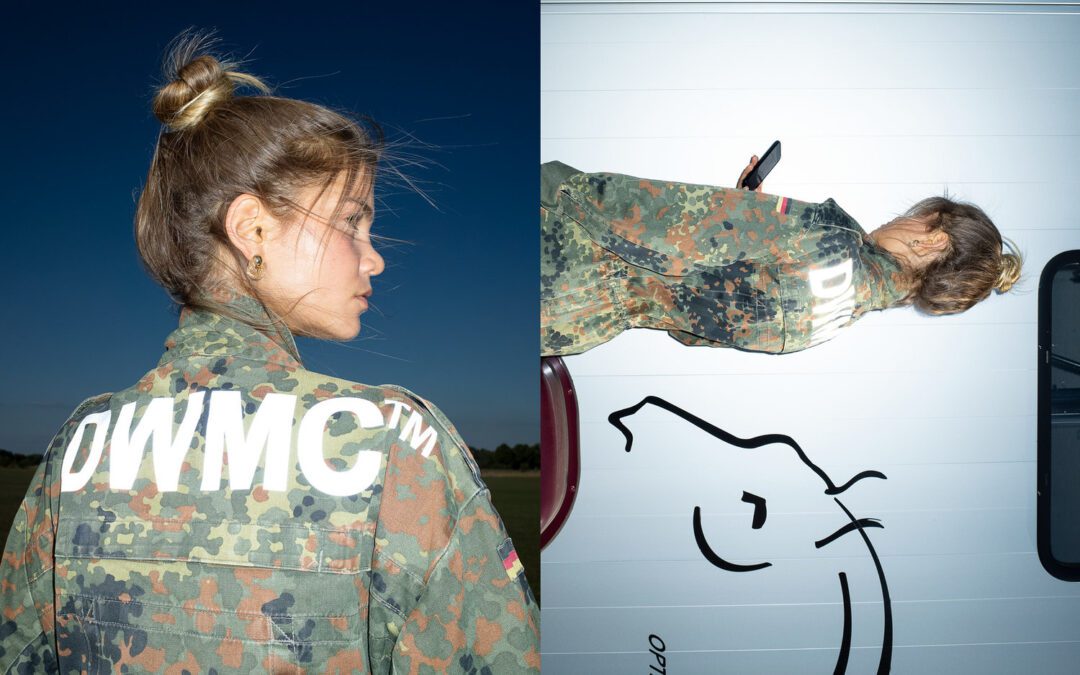
Boston has quietly become a hub for creative visual storytelling, and much of that credit goes to the Boston Famous Conceptual Photographers who treat every shoot as a chance to say something, not just show something. Brands in this city no longer settle for plain product shots or stiff office headshots. They want images that stop the scroll, spark curiosity, and stay in memory long after the tab closes. This shift matters because attention is the scarcest resource a brand has today, and conceptual photography is one of the few tools that reliably earns it.
In this article, we will look at why conceptual photography works so well for beauty brands and corporate businesses alike, what separates a good photographer from a great one, and how you can pick the right creative partner for your next campaign.
What Makes Conceptual Photography Different
Conceptual photography starts with an idea, not a camera. The photographer builds a visual story around a message, a feeling, or a brand value, then designs lighting, props, models, and composition to support that story. A regular product photo shows what an item looks like. A conceptual photo shows what it means to the person using it.
Here is what typically separates a conceptual shoot from a standard one:
• A defined idea comes first: The team agrees on a message before any equipment gets set up.
• Mood boards guide every decision: Color, texture, and styling all tie back to one visual theme.
• Sets are often custom-built: Photographers may construct props or backdrops instead of relying on stock studio setups.
• Editing supports the story: Color grading and retouching reinforce the mood rather than just cleaning up flaws.
This approach demands more planning upfront, but the payoff shows up later. The final images do more marketing work than a paragraph of copy ever could, because people remember pictures that made them feel something.
The Boston Photography Scene Keeps Raising the Bar
Boston’s creative community pushes photographers to stay sharp. The city hosts a dense mix of biotech firms, fashion-forward beauty brands, universities, and financial institutions, and each industry demands a different visual language.
A few factors keep quality high across the city:
• Diverse client base: Photographers switch between beauty, healthcare, finance, and tech, which sharpens their range.
• High local expectations: Clients have seen polished national campaigns and expect the same from local talent.
• Competitive creative community: Studios push each other toward stronger concepts and cleaner execution.
This pressure has produced a strong pool of talent that blends technical skill with genuine artistic vision, which is why so many businesses now search specifically for creative, idea-driven photographers instead of settling for generic stock-style shoots.
Elevating Beauty Products Through Creative Vision
Beauty brands live or die by their imagery. Shoppers cannot touch a serum bottle or smell a fragrance online, so the photo has to carry all of that sensory information on its own. This is where skilled Beauty Product Photography in Boston makes a measurable difference in how a product performs on the shelf and on screen.
A conceptual approach to beauty photography goes beyond clean white backgrounds and even lighting. Photographers experiment with water droplets, colored gels, floating textures, and unexpected angles to make a lipstick or moisturizer feel like part of a bigger story about confidence, self-care, or transformation.
Key Elements That Make Beauty Photography Work
• Texture and light: Close-up macro shots reveal exact sheen and finish, which builds accurate expectations and lowers return rates.
• Consistent color story: A full skincare or makeup line needs one visual identity across every product.
• Story-driven staging: Props and backdrops hint at a lifestyle, not just a product category.
• Strategic angles: Unusual perspectives make familiar items feel fresh and premium.
When these elements come together, a $20 product can look like a $200 one, simply through controlled shadows, reflections, and staging.
Corporate Branding Photography That Tells a Story
Corporate imagery used to mean a gray backdrop and a forced smile. That style feels outdated now. Clients, investors, and job candidates all form impressions from a company’s visuals before they read a single word of copy, and stiff, generic headshots send the wrong message about culture and confidence.
Strong Boston Corporate Branding Photography treats leadership portraits, team photos, and office environment shots as an extension of the brand story. A few examples of how this plays out:
• Finance and legal firms often use sharp, structured compositions to signal reliability and precision.
• Creative agencies lean into candid, energetic shots that show real personality and culture.
• Healthcare and biotech companies balance approachability with a sense of scientific credibility.
The photographer’s job is to translate company values into a visual language that clients feel within seconds of landing on a website.
Why Concept-Driven Photography Builds Trust
Trust grows when a brand looks like it knows exactly who it is. Scattered, inconsistent photography confuses potential customers because it sends mixed signals about quality and professionalism. A cohesive conceptual approach removes that friction and lets the brand’s personality come through clearly, in every image, every time.
According to Forbes, visual consistency is one of the strongest predictors of brand recall among consumers who interact with a company across multiple platforms. When photography, color, and messaging align, audiences process the brand faster and trust it sooner.
Data from HubSpot also shows that content featuring strong, original visuals earns significantly more engagement than text-only posts or generic stock photography. Businesses that invest in custom, concept-driven shoots see that investment pay back through higher click-through rates and longer time spent on their pages.
Choosing the Right Photographer for Your Brand
Picking a photographer is not just about reviewing a portfolio and choosing the prettiest pictures. A few practical questions help narrow the search:
• Does their past work show range across beauty, product, and corporate categories, or do they specialize in one lane?
• Can they explain the concept behind a shoot before the cameras come out, rather than improvising on set?
• Do they offer post-production support, including retouching and color grading, so the final files match the original vision?
• How do they handle feedback and revisions during the editing process?
Photographers who answer these questions with confidence usually deliver more predictable, higher-quality results. It also helps to schedule a short call before booking, since communication style matters almost as much as technical skill when a shoot involves tight timelines and multiple stakeholders.
Final Thoughts
Conceptual photography has moved from a creative luxury to a business necessity for beauty brands and corporations that want to stand out in a crowded market. The right images do more than decorate a website. They carry the weight of a brand’s entire story in a single frame, and that story is what turns a casual visitor into a loyal customer. If your brand is ready to invest in visuals that actually work as hard as your marketing team, explore what the Boston Famous Conceptual Photographers can build for your next campaign.
Frequently Asked Questions
1. What does a conceptual photographer actually do differently from a regular photographer?
A conceptual photographer starts with a story or message and designs the entire shoot around it. Instead of simply documenting a product or person, they build lighting, props, and composition to communicate a specific feeling. This is the core idea behind Boston Famous Conceptual Photographers, who plan every detail before the camera comes out.
2. Why does beauty product photography need a creative concept instead of a plain white background?
Plain backgrounds show what a product looks like, but shoppers also want to feel how it performs and what it represents. Creative Boston Beauty Product Photography in Boston uses texture, light, and color to communicate luxury, freshness, or confidence, which helps buyers connect emotionally before they even read the description.
3. How long does a typical conceptual photography session take?
Session length depends on the complexity of the concept. A simple product shoot might take a few hours, while a full campaign with multiple looks, sets, and models can span one or two full days. Photographers usually provide a timeline estimate during the planning stage.
4. What is the difference between corporate headshots and corporate branding photography?
Headshots focus on a single portrait of one person, usually for a website bio or LinkedIn profile. Full Boston Corporate Branding Photography covers a broader visual identity, including team photos, office environment shots, and lifestyle images that reflect company culture as a whole.
5. How much does conceptual photography typically cost?
Pricing varies based on shoot complexity, number of final images, location, and post-production needs. Simple sessions cost less than large campaigns involving custom sets, styling teams, or multiple locations. Most photographers provide a custom quote after understanding project scope.
6. Can small businesses afford conceptual photography, or is it only for large brands?
Small businesses can absolutely benefit from conceptual photography, and many photographers offer scaled packages for smaller budgets. Even a handful of strong concept-driven images can outperform dozens of generic stock photos in terms of engagement and brand recall.
7. How do I choose the right photographer for my beauty or corporate brand in Boston?
Look for a portfolio that shows range and consistency, ask how they approach concept development, and check whether they offer full post-production support. Many businesses start by reviewing work from established studios like Boston Beauty Product Photography in Boston to see how past projects were handled from concept through final delivery.
8. Do conceptual photographers also handle video content?
Some photographers offer video and motion content alongside stills, especially for social media campaigns. It is worth asking directly during the initial consultation, since not every studio provides both services under one roof.
9. How far in advance should I book a photographer for a product launch?
Most brands book four to eight weeks ahead of a launch to allow time for concept development, scheduling, the shoot itself, and editing. Larger campaigns with multiple locations or models may need even more lead time.
10. What file formats and usage rights come with a typical photography package?
Most packages include high-resolution files suitable for web and print, along with a licensing agreement that outlines where and how the images can be used. It is important to clarify usage rights, including whether the images can be used in paid advertising, before the shoot begins.
Frequently Asked Questions
How often should a company update its corporate photography?
Most businesses should refresh their corporate images every 2–3 years or whenever there are major changes, such as new team members, office renovations, rebranding, or updated marketing campaigns.
What should employees wear for a corporate photoshoot?
Employees should wear clean, well-fitted business or business-casual attire that aligns with the company’s brand. Solid colours, minimal patterns, and coordinated outfits often produce the most professional results.
Can a Photographer in Boston capture images at our office instead of a studio?
Yes. Many corporate photographers offer on-location sessions, allowing businesses to showcase their actual workspace and create authentic images without disrupting daily operations.
Why hire a Boston Professional Event Photographer?
A professional photographer understands lighting, composition, and timing, ensuring high-quality images that accurately capture important moments while allowing your staff to focus on the event.
How should businesses prepare for Corporate team portrait sessions near Boston?
Prepare by coordinating outfits, selecting a clean location, scheduling employees in advance, and sharing your preferred style with the photographer. Good planning helps create a smooth and efficient photoshoot.