
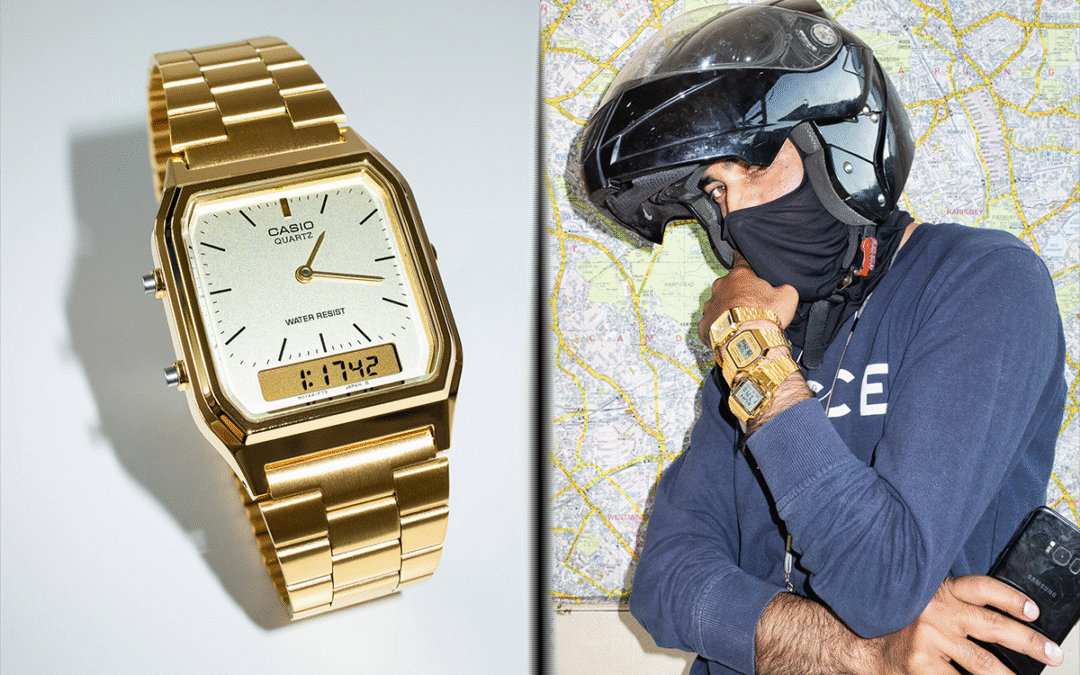
Great photography sells your business before a single word gets read. Whether you run an online store, manage a growing brand, or host industry conferences, the images you use shape how people see you. If you are searching for a skilled Photographer in Boston, you already understand that quality visuals build trust fast. This guide walks through why professional photography matters, what makes product and brand shoots successful, and how the right conference photographer captures the energy of your event.
Why Professional Photography Matters for Modern Businesses
People judge a brand within seconds of seeing its visuals. A blurry product photo or a poorly lit headshot can quietly push a potential customer away, even if your product or service is excellent. Studies on consumer behavior consistently show that image quality influences purchase decisions on platforms like Amazon and other e-commerce marketplaces.
Professional photographers bring more than a good camera to the table. They understand lighting, composition, color accuracy, and how to direct people so they look natural rather than stiff. This combination turns an ordinary photo into an image that stops the scroll and builds credibility.
Businesses that invest in professional imagery often see stronger engagement across their websites and social channels. Photos load the emotional side of a buying decision, while text handles the logical side. Skipping one weakens the other.
The Cost of Skipping Professional Photography
Many small businesses try to save money by using smartphone photos or stock images. This approach usually backfires. Customers can spot generic stock photography almost instantly, and it often feels disconnected from the actual brand. Inconsistent lighting, awkward angles, and mismatched backgrounds create a scattered impression across a website or catalog.
A professional photography session fixes these issues in one sitting. You walk away with a consistent set of images that match your brand tone, whether that tone is minimal and modern or warm and approachable.
Product Photography: Turning Items Into Sales
Product photography is not just about taking a clear picture of an item. It is about telling a small visual story that answers a shopper’s unspoken questions. What does the material look like up close? How large is the product compared to everyday objects? Does it look as good in use as it does sitting still?
Skilled photographers solve these questions through lighting setups, styling choices, and multiple angles. A single product might need a clean white background shot for a marketplace listing, a lifestyle shot for social media, and a detail shot for a website gallery. Each version serves a different purpose in the customer journey.
If your business relies on strong product visuals to convert browsers into buyers, working with dedicated Product Photography Services can transform how your catalog performs. Fashion brands especially benefit from this kind of specialized attention, since fabric texture, fit, and movement are difficult to capture without the right equipment and experience.
What Makes a Product Shoot Successful
A successful product shoot starts long before the camera comes out. The photographer reviews the brand guidelines, studies the target audience, and plans a shot list that matches how the images will actually be used. During the shoot, small adjustments such as steaming a garment or repositioning a light reflector make a noticeable difference in the final result.
Post-production also plays a major role. Careful color correction ensures the product looks the same in the photo as it does in person, which reduces returns and builds customer trust. Retouching should be subtle. The goal is accuracy, not an unrealistic transformation.
Brand Photography: Building a Visual Identity
Brand photography extends beyond products to capture the people, spaces, and personality behind a company. This includes team headshots, office or studio environments, behind-the-scenes moments, and lifestyle imagery that reflects company values.
A cohesive brand photography library gives marketing teams flexibility. Instead of scrambling for a usable photo every time a blog post or social update goes out, they can pull from a bank of images that already match the brand’s visual identity. This consistency strengthens recognition over time, since audiences begin to associate certain colors, lighting styles, and compositions with your company specifically.
Small details matter here too. The way a founder is photographed, the setting chosen for a team photo, and even the wardrobe choices all communicate something about the brand’s personality. A skilled photographer helps guide these choices so the final images feel authentic rather than staged.
Conference and Event Photography: Capturing the Energy
Conferences and corporate events move fast. Speakers take the stage, attendees network in hallways, and key moments happen without warning. Capturing this energy requires a photographer who can anticipate action rather than simply react to it.
Good event photography documents more than posed group shots. It captures genuine reactions, candid conversations, and the overall atmosphere of the event. These images later become valuable marketing assets, useful for recap posts, next year’s promotional material, and sponsor reports that prove attendance and engagement.
For organizations hosting events in the New England area, hiring an experienced Conference Photographer in Boston ensures your event gets documented with both technical skill and an understanding of corporate settings. A photographer familiar with conference environments knows how to work quickly, stay unobtrusive, and adapt to changing lighting as the day progresses from morning keynotes to evening networking sessions.
Planning Your Event Photography Coverage
Coverage planning should start well before the event date. Share the agenda with your photographer so they know which sessions matter most. Point out any VIP speakers, sponsor booths, or branded backdrops that need dedicated attention. A short conversation beforehand saves time on the actual event day and helps the photographer prioritize shots that align with your goals.
It also helps to agree on a turnaround time for the final images. Many organizations want a handful of edited photos within 24 hours for same-day social posts, followed by the full gallery a few days later. Setting these expectations early keeps everyone aligned.
How to Choose the Right Photographer for Your Needs
Not every photographer specializes in every type of work. Someone who excels at wedding photography may not have the technical setup or experience needed for a fast-paced conference. When evaluating potential photographers, review their portfolio for the specific type of work you need, whether that is product shots, corporate headshots, or event coverage.
Ask about their equipment, backup gear, and how they handle unexpected situations like poor lighting or last-minute schedule changes. Experienced photographers usually bring backup cameras and lighting equipment to every shoot, which protects you from last-minute disasters.
Communication style matters as well. A photographer who listens carefully to your goals and asks clarifying questions will generally deliver images that match your vision more closely than one who simply shows up and starts shooting. Reading client reviews on platforms such as Google Business Profiles can also give you a sense of how a photographer handles real-world client relationships.
Questions to Ask Before Booking
Before committing to a photographer, ask how many images you can expect to receive, what the editing process looks like, and how usage rights are handled. Some photographers include limited retouching in their base package while charging extra for advanced edits. Clarifying these details upfront prevents confusion later.
It also helps to ask for references from clients in your specific industry. A photographer who has shot dozens of fashion product lines will approach a session differently than one who mostly works with tech startups, even though both are technically product photography.
Final Thoughts
Investing in professional photography pays off across every part of your business, from product listings that convert browsers into buyers to conference photos that prove the value of your event to sponsors and stakeholders. The right photographer does not just take pictures. They understand your brand, anticipate the moments that matter, and deliver images that work hard for you long after the shoot ends.
If you are ready to elevate your visual content, working with Felix Gaertner Photography gives you access to experienced, versatile photography services covering products, brands, and corporate events across the Boston area.
Frequently Asked Questions
How much does professional product photography cost?
Pricing varies based on the number of products, styling complexity, and turnaround time. Simple white background shots typically cost less than lifestyle or fashion photography, which requires more setup and post-production work. Requesting a quote from a provider offering dedicated Product Photography Services will give you accurate pricing based on your specific catalog.
What should I look for when hiring a Photographer in Boston?
Look for a strong portfolio in the type of work you need, clear communication about pricing and deliverables, and reviews from past clients. A local Photographer in Boston will also understand regional venues, lighting conditions, and logistics better than someone traveling from out of state.
How far in advance should I book a conference photographer?
Most event photographers recommend booking at least four to six weeks ahead, especially during busy conference seasons in spring and fall. This gives enough time to plan coverage details and confirm availability, particularly for a specialized Conference Photographer in Boston during peak booking months.
Can one photographer handle both product and event photography?
Yes, many professional photographers offer versatile services covering multiple categories. Felix Gaertner Photography provides both product and corporate event coverage, which simplifies vendor management for businesses that need consistent visual quality across different types of shoots.
What is the difference between brand photography and product photography?
Product photography focuses specifically on items for sale, usually for catalogs or online listings. Brand photography captures a wider range of content, including team photos, workspace imagery, and lifestyle shots that represent the company’s overall identity and values.
How long does it take to receive edited photos after a shoot?
Turnaround time depends on the photographer and the size of the shoot. Simple product sessions often deliver edited images within a few business days, while larger conference galleries may take one to two weeks for full editing and delivery.