
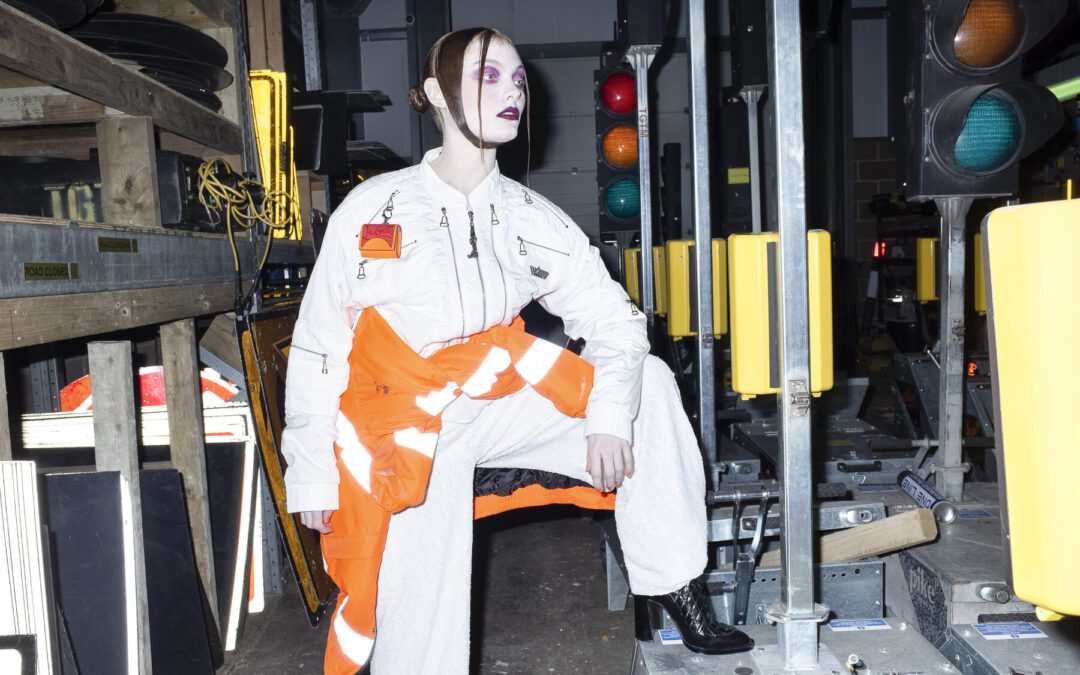
A great portrait tells a story. It captures more than a face. It shows mood, personality, and the quiet details that make someone unique. If you want images that feel like art rather than snapshots, you need a photographer who thinks like an artist. That is exactly why so many people now search for Boston Fine Art Photographers when they want portraits with real depth and emotion. This growing demand comes from a simple truth: people want photos that feel personal, not generic.
In this article, we will explore what makes fine art photography different, why Boston has become such a strong market for this style, and how to choose the right photographer for your next session.
What Makes Fine Art Photography Different
Fine art photography treats every image as a creative expression, not just a technical record. A skilled photographer plans lighting, composition, and mood the way a painter plans a canvas. The goal is not simply to document a moment. The goal is to create something that feels timeless.
Traditional portrait photography often follows a formula. The subject sits or stands, smiles, and the photographer clicks the shutter. Fine art photography works differently. The photographer builds a concept first. They think about color palettes, shadows, textures, and emotion before the camera even comes out. This process turns a simple photo session into a collaborative art project.
Many clients say fine art portraits feel more honest. Because the photographer focuses on genuine expression instead of forced poses, the final images often reveal something real about the person in front of the lens.
Why Boston Has Become a Hub for Fine Art Portraiture
Boston has a long history tied to art, culture, and creative expression. The city is home to some of the best museums and art schools in the country, and that creative energy spills into the local photography scene. Many photographers here train in fine arts, painting, or design before turning to the camera, which shapes how they approach every shoot.
The city itself also offers incredible variety. From historic brick streets to modern skylines, from quiet parks to dramatic waterfront views, Boston gives photographers a rich canvas to work with. This mix of old and new architecture creates endless creative possibilities for portrait sessions.
Boston clients also tend to value craftsmanship. People in this city often research carefully before booking a service, and they expect quality that matches the price. This demand pushes local photographers to keep improving their skills, which raises the overall standard across the city.
A Strong Creative Community
Boston photographers often collaborate with local stylists, makeup artists, and designers. This network helps create polished, professional results. When a photographer works closely with other creative professionals, the final portraits reflect a higher level of planning and detail.
What to Look for When Choosing a Fine Art Photographer
Not every photographer offers a true fine art approach, so it helps to know what separates the best from the rest.
Look at their portfolio first: A strong portfolio shows consistency in style, lighting, and storytelling. If every image looks different with no clear artistic voice, that photographer may not specialize in fine art work.
Ask about their process: The best photographers explain how they plan a shoot. They discuss concept, wardrobe, location, and mood before the session begins. This planning stage separates fine art photography from casual portrait sessions.
Check their editing style: Fine art photographers often use subtle color grading, careful retouching, and thoughtful composition. The final images should feel intentional, not overly filtered or artificial.
Read client reviews: Reviews reveal how a photographer communicates and whether clients feel comfortable during the session. Comfort matters because relaxed subjects produce more natural, authentic expressions.
The Boston Advantage: Local Talent, Global Vision
Working with a Boston Top Rated Photographers team gives clients access to artists who blend local creativity with international influence. Many top photographers in the city study global art trends while staying rooted in Boston’s unique visual culture. This combination produces portraits that feel both fresh and timeless.
Boston based photographers also understand how to use the city’s natural light and varied landscapes. Golden hour by the Charles River looks completely different from a moody studio session downtown, and experienced photographers know how to use each setting to its full potential. This local knowledge often makes a noticeable difference in the final images.
Clients who choose local talent also benefit from easier communication and scheduling. Meeting in person before the shoot helps build trust and allows the photographer to understand exactly what the client wants.
How Fine Art Portraits Differ From Traditional Portraits
Traditional portraits usually aim for a clean, straightforward look. Think corporate headshots or family photos for a holiday card. These images serve a practical purpose, and that is perfectly fine for many situations.
Fine art portraits aim for something deeper. They explore emotion, symbolism, and personal narrative. A fine art photographer might use dramatic shadows, unusual angles, or creative props to tell a story about the subject. The result feels more like a piece of art you would frame and display than a simple photo you would post online.
According to the Britannica overview of portrait photography, the genre has evolved significantly since its early days, moving from strictly documentary purposes toward more expressive and interpretive styles. This shift mirrors exactly what fine art photographers do today.
Tips for Preparing for Your Fine Art Portrait Session
Preparation makes a real difference in the final results. A few simple steps can help you get the most from your session.
First: talk with your photographer about the mood you want to create. Do you want something dramatic and moody, or bright and airy? Sharing references like paintings, movies, or other photos helps the photographer understand your vision.
Second: think carefully about wardrobe. Solid colors and simple textures usually photograph better than busy patterns. Your photographer can offer specific guidance based on the location and concept.
Third: choose a location that matches the story you want to tell. Studios offer full control over lighting, while outdoor locations bring natural texture and atmosphere.
Finally, trust the process. Fine art photography sessions often take longer than typical portrait sessions because of the planning involved. Give yourself enough time to relax and enjoy the creative experience.
The Value of Professional Guidance
Groups like the Professional Photgraphers of America offer standards and education that many serious photographers follow. When you work with a photographer connected to organizations like this, you often get a higher level of professionalism and technical skill.
Final Thoughts
Choosing the right photographer changes everything about how your portraits turn out. Fine art photography goes beyond simple documentation. It creates images that feel personal, meaningful, and lasting. Boston offers a rich pool of creative talent shaped by the city’s deep connection to art and culture.
If you want portraits that feel like true works of art, working with a proven Top Rated Photographer in Boston gives you access to skilled professionals who understand both technical craft and creative vision. Take your time researching portfolios, ask thoughtful questions, and choose someone whose style matches what you want to express. The right photographer will not just take your picture. They will help you tell your story.
Frequently Asked Questions
1. What is fine art photography?
Fine art photography focuses on creative expression rather than simple documentation. Photographers plan lighting, composition, and mood to create images that feel like true works of art rather than casual snapshots.
2. How much do Boston fine art photographers charge for a portrait session?
Pricing varies based on experience, session length, and location. Most professional sessions in Boston range from a few hundred to several thousand dollars, depending on the scope of the project and the photographer’s reputation.
3. How long does a fine art portrait session take?
Most sessions last between two and four hours. Fine art sessions often take longer than standard portraits because they involve more planning, wardrobe changes, and creative setups.
4. What should I wear for a fine art portrait session?
Solid colors and simple textures generally photograph best. Avoid busy patterns or logos, since they can distract from the overall composition and mood of the image.
5. Can fine art photography be done outdoors?
Yes. Many photographers use natural landscapes, city streets, and architecture to add texture and atmosphere to their images. The right location depends on the story you want your portraits to tell.
6. How do I choose the right photographer for my style?
Review portfolios carefully and look for consistency in tone, lighting, and composition. A strong artistic voice across multiple projects usually signals a photographer who specializes in fine art work.
7. Why should I hire a professional instead of doing it myself?
Professional photographers bring technical skill, creative planning, and editing expertise that are difficult to replicate on your own. Working with an established Boston Fine Art Photographers team ensures your portraits receive the artistic attention and quality they deserve.
8. Do fine art photographers only work with individuals?
No. Many fine art photographers also work with couples, families, and small groups. The creative approach remains the same, focusing on storytelling and emotion rather than standard poses.
9. What makes Boston a good city for fine art photography?
Boston combines a strong creative community with diverse locations, from historic architecture to modern skylines. This variety gives photographers many options for building unique, artistic portraits. Working with a Top Rated Photographer in Boston helps you make the most of everything the city has to offer.
10. How far in advance should I book a fine art photography session?
Popular photographers often book several weeks or months ahead, especially during busy seasons like spring and fall. Booking early gives you more flexibility with dates and locations.
Frequently Asked Questions
How often should a company update its corporate photography?
Most businesses should refresh their corporate images every 2–3 years or whenever there are major changes, such as new team members, office renovations, rebranding, or updated marketing campaigns.
What should employees wear for a corporate photoshoot?
Employees should wear clean, well-fitted business or business-casual attire that aligns with the company’s brand. Solid colours, minimal patterns, and coordinated outfits often produce the most professional results.
Can a Photographer in Boston capture images at our office instead of a studio?
Yes. Many corporate photographers offer on-location sessions, allowing businesses to showcase their actual workspace and create authentic images without disrupting daily operations.
Why hire a Boston Professional Event Photographer?
A professional photographer understands lighting, composition, and timing, ensuring high-quality images that accurately capture important moments while allowing your staff to focus on the event.
How should businesses prepare for Corporate team portrait sessions near Boston?
Prepare by coordinating outfits, selecting a clean location, scheduling employees in advance, and sharing your preferred style with the photographer. Good planning helps create a smooth and efficient photoshoot.