
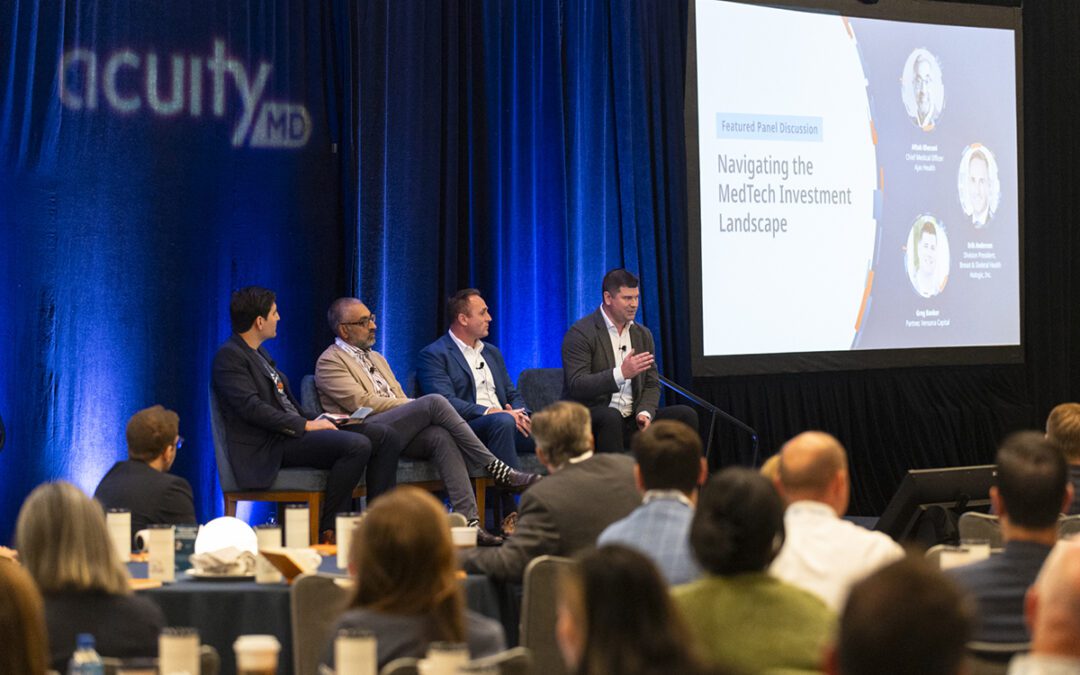
Conferences move fast, Speakers change slides every few minutes, networking happens in quick bursts, and the energy in the room shifts constantly. Capturing that energy takes more than a good camera. It takes a trained eye and a steady editing process. A skilled Conference Photographer in Boston knows how to read a room, anticipate key moments, and deliver images that actually represent the event instead of a random collection of snapshots. This article breaks down how corporate photographers and photo editing experts work together to turn ordinary conference photos into polished, usable marketing assets.
Why Conference Photography Needs a Professional Eye
Conference photography is not the same as casual event photography. There are speaker sessions, panel discussions, networking breaks, sponsor booths, and award moments, often all within the same hour. Each of these situations calls for different camera settings, angles, and timing.
A photographer who understands business events knows which moments matter to a marketing team later. They know that a handshake photo or a candid laugh during a Q&A session often gets more use on LinkedIn than a posed group shot. This awareness comes from experience, not luck. Companies that skip professional coverage often end up with blurry action shots or images that miss the actual message of the event.
Good conference photography also protects a brand’s image. Attendees form quick opinions based on visuals shared after the event. Sharp, well-composed photos build trust. Poor quality images can make even a well-run conference look unorganized.
The Role of Corporate Photographers in Capturing Conference Moments
Corporate photographers bring structure to what looks like chaos on the surface. They plan shot lists ahead of time, scout the venue, and coordinate with event organizers so nothing important gets missed.
Building Rapport with Speakers and Attendees
People act differently in front of a camera. A photographer who builds quick rapport gets more natural expressions and relaxed body language. This matters during interviews, panel sessions, and one on one networking shots. Attendees who feel comfortable produce better, more usable images.
Experienced teams also stay unobtrusive. They move around the room without disrupting the flow of the event. This balance between visibility and discretion is a skill that develops over years of working corporate events.
Technical Skills That Matter On Site
Lighting inside conference halls is rarely consistent. Stage lighting, ambient room lighting, and screen glow from presentations all compete for exposure. A trained photographer adjusts settings on the fly to avoid harsh shadows or blown-out highlights.
Fast-moving moments, like a speaker gesturing mid-sentence or attendees applauding, require quick reflexes and a strong understanding of shutter speed and focus tracking. Missing these small technical details often means missing the shot entirely. This is where working with experienced Boston Corporate Photographers makes a measurable difference, since local teams already understand the venues, lighting setups, and pace of Boston’s business events.
How Photo Editing Experts Elevate Raw Conference Images
Raw images straight out of the camera rarely look ready for publication. This is where photo editing experts step in. Their job is not to change reality but to correct technical flaws and present the image the way the human eye actually experienced the moment.
Color Correction and Lighting Balance
Conference venues often mix multiple light sources. Editors balance color temperature so skin tones look natural and stage lighting does not overpower the subject. They also fix exposure issues that happen when a photographer has only a split second to capture a moment.
This step matters more than most people realize. A photo with the wrong color balance can make an otherwise great shot look unprofessional. Careful correction brings out details that were technically captured but not visually clear in the original file.
Retouching for Professional Publication
Beyond color work, editors handle distractions in the background, minor blemishes, and cropping choices that improve composition. They select the strongest frames from hundreds of shots and prepare final files sized correctly for websites, social media, and print materials.
According to guidance published by Adobe’s creative resource hub, consistent post processing workflows help brands maintain a recognizable visual style across all their marketing materials. That consistency builds recognition over time, which matters for companies that host multiple events per year.
Combining Photography and Editing for Maximum Impact
The strongest results come from close collaboration between the person behind the camera and the person editing the files afterward. When both understand the client’s goals, the final gallery tells a coherent story instead of feeling like a random batch of photos.
For example, a company preparing a recap video or a year-end report needs images that follow a visual theme. Photographers who know this ahead of time shoot with editing in mind, choosing angles and framing that will hold up well after retouching. Editors, in turn, know which shots the client actually needs prioritized, since not every image from a multi-hour event needs the same level of polish.
This teamwork also saves time. Clients working with an established photographer and editor duo typically get faster turnaround because both sides already understand the workflow and expectations. A separate Boston Photo Editing Expert handling the post production side can focus entirely on refining images while the photography team keeps shooting, which speeds up delivery for time-sensitive marketing campaigns.
Choosing the Right Team for Your Boston Conference
Boston hosts a steady stream of business conferences throughout the year, from tech summits to healthcare symposiums. Choosing a local team offers practical advantages. They already know the common venues, understand local parking and setup logistics, and can respond quickly if schedules change last minute.
When evaluating a photography and editing team, ask to see samples from actual conferences rather than only portrait or wedding work. Conference photography requires a different skill set built around movement, unpredictable lighting, and tight time windows. A team with a strong portfolio in this specific area will deliver more consistent results.
Pricing structures vary too. Some teams charge hourly, others offer package rates that include a set number of edited photos. Clarifying these details before the event avoids confusion afterward and helps event organizers budget accurately for future conferences. Research from Eventbrite’s indusrty reports also shows that visual content significantly influences how attendees perceive an event after it ends, which makes this investment worth planning for carefully.
Common Mistakes Companies Make With Conference Photography
Many organizations treat photography as an afterthought, booking a photographer only a few days before the event. This rush often limits the photographer’s ability to review the agenda, understand key moments, and plan coverage properly.
Another frequent mistake is skipping the editing budget entirely. Raw, unedited files get uploaded straight to a website or social account. The difference in quality between edited and unedited images is often significant enough that viewers notice, even if they cannot pinpoint exactly why one photo looks better than another.
Some companies also underestimate how many photos they will actually need. A single keynote speech generates hundreds of frames, but only a fraction will be usable after editing. Planning for enough coverage time upfront prevents gaps in the final gallery.
Final Thoughts
Great conference photography depends on two things working together: a photographer who knows how to read the room and an editor who knows how to refine what gets captured. Skipping either step leads to weaker results, no matter how good the venue or the speakers are. Companies planning their next business event in Massachusetts should look for a proven Boston Photo Editing Expert alongside an experienced photography team so every image reflects the professionalism of the event itself. Investing in both pieces pays off through stronger marketing materials, better recap content, and a visual record that actually represents the work that went into the conference.
Frequently Asked Questions
What makes conference photography different from regular event photography?
Conference photography focuses on fast paced business moments like keynote speeches, panel discussions, and networking sessions. Photographers need to anticipate action and adjust to changing lighting conditions throughout the day, unlike more controlled event settings, which demand quicker reflexes overall.
How many photos should I expect from a full day conference?
This depends on the length of the event and the number of sessions, but a full day conference typically produces several hundred raw images. After editing and selection, clients usually receive a curated set of the strongest photos, chosen specifically for marketing and internal use.
Why does professional photo editing matter for corporate images?
Editing corrects lighting inconsistencies, color balance issues, and distracting background elements. It ensures images are ready for publication on websites, social media, and printed materials without looking unpolished, which protects the overall brand image.
How far in advance should I book a corporate photographer for a conference?
Booking at least four to six weeks ahead gives the photography team enough time to review the agenda, scout the venue if needed, and plan coverage around key sessions and speakers well before the event date.
Can photographers also cover panel discussions and networking events?
Yes. Experienced teams cover the full range of conference activity, including stage presentations, panel discussions, breakout sessions, and casual networking moments throughout the venue, from morning registration through the closing remarks.
Do I need a local photographer for a Boston based conference?
Working with a Conference Photographer in Boston offers practical advantages, since local teams already understand common venues, parking logistics, and typical scheduling patterns for the city’s business events, which helps avoid day-of delays.